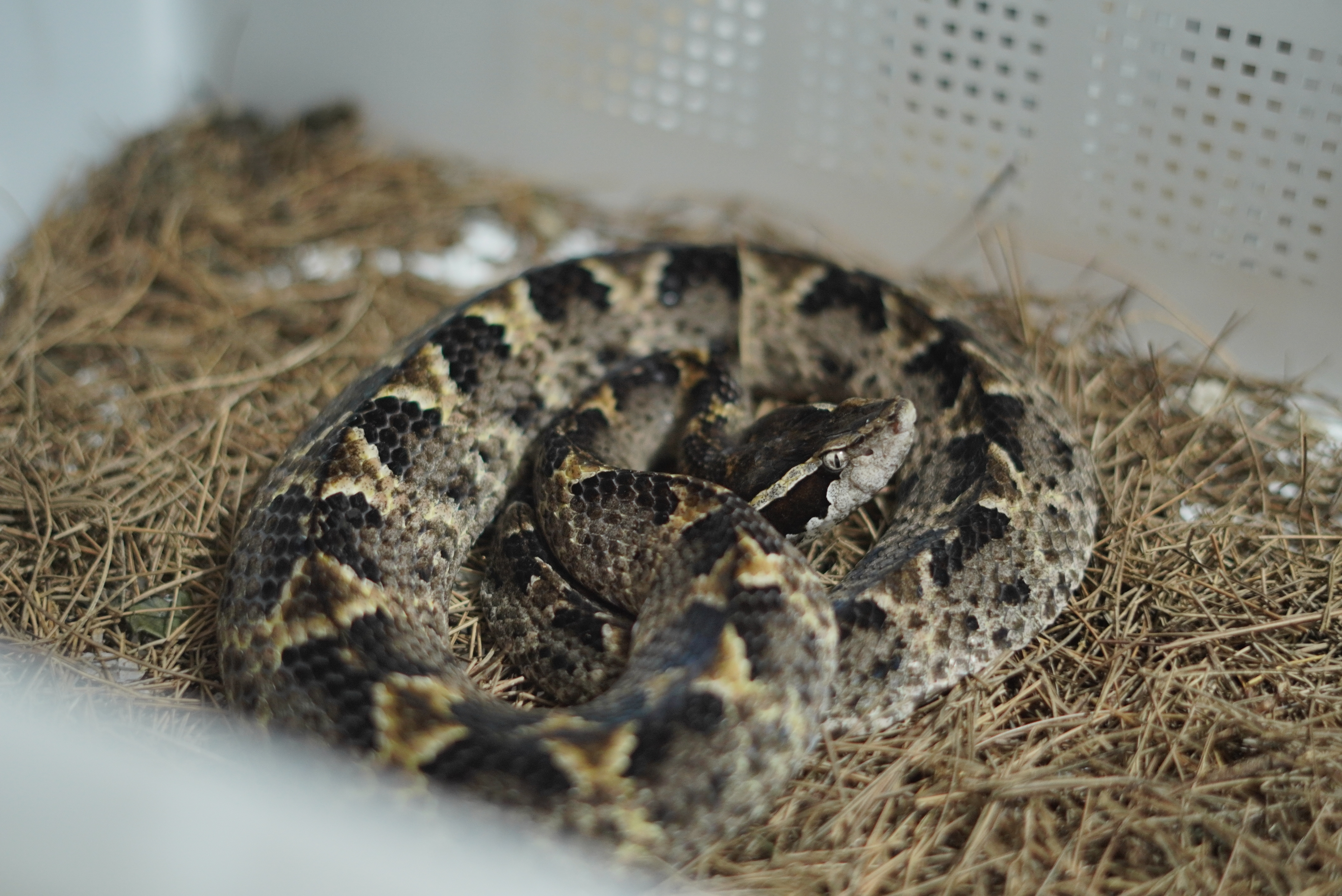
Malayan Pit Viper Venom (Calloselasma rhodostoma)
Description
Agkistrodon rhodostoma venom, more commonly known in modern nomenclature as Calloselasma rhodostoma, comes from the Malayan Pit Viper. This species belongs to the family Viperidae, subfamily Crotalinae, and is one of the medically important venomous snakes in Southeast Asia.
From a toxinological perspective, C. rhodostoma venom is known for its strong hemotoxic and cytotoxic character. Its biological activity is primarily associated with disruption of the haemostasis system, blood vessel damage, coagulation disorders, inflammation, pain, swelling, and local tissue damage. Due to these characteristics, this species' venom holds significant value in coagulation research, toxinology, pharmaceuticals, biotechnology, and antivenom development.
Venom Characteristics
Calloselasma rhodostoma venom is generally a clear to yellowish fluid before it is dried or further processed. The venom is produced by well-developed venom glands in the head and delivered through long solenoglyphous front fangs — fangs that can be folded and function to inject venom effectively.
This venom is composed of various proteins and bioactive enzymes that act on local tissue, blood vessels, platelets, and the coagulation system. Its primary biological effects include haemorrhagic activity, procoagulant or anticoagulant effects, defibrinogenation, platelet aggregation disruption, inflammation, and local tissue damage.
Specification
Calloselasma rhodostoma venom is provided as crystallised venom processed from specimens managed under controlled conditions. The product is intended for toxinology research, haemostasis studies, venom biochemistry, antivenom development and standardisation, and pharmaceutical and biotechnology research. Each batch of venom should be supported by a traceability system covering specimen identification, origin, milking date, drying method, storage conditions, and quality documentation as required by research or industry partners.
Primary Composition
Snake Venom Metalloproteinase (SVMP)
One of the important toxin groups in C. rhodostoma venom. SVMP is involved in damage to the vascular basement membrane, disruption of tissue integrity, local haemorrhage, and haemorrhagic effects that are a key characteristic of viper venom.
C-Type Lectin (Snaclec)
A protein group that can affect platelet function and the haemostasis system. This component is involved in platelet aggregation disruption and modulation of the blood clotting process.
Snake Venom Serine Protease (SVSP)
An enzyme group involved in modulation of the coagulation system. Some SVSPs have thrombin-like enzyme (TLE) activity, and can therefore affect fibrin formation and cause coagulation disorders.
L-Amino Acid Oxidase (LAAO)
An enzymatic component involved in oxidative stress, cytotoxic effects, inflammation, and biological responses in tissue.
Phospholipase A₂ (PLA₂)
An enzyme that contributes to cell membrane damage, inflammation, pain, and local tissue effects. PLA₂ can also amplify the toxic activity of the venom through interaction with other venom components.
Phosphodiesterase (PDE) and 5ʹ-Nucleotidase (5ʹ-NTD)
Enzymatic components associated with nucleotide metabolism that may contribute to the biological effects of venom, including changes in vascular and tissue responses.
Cysteine-Rich Secretory Protein (CRiSP) and Other Minor Proteins
Components present at lower levels, but still important in proteomic studies, biological characterisation of venom, and exploration of bioactive compounds.
Hyaluronidase and Other Supporting Enzymes
Act as spreading factors that can assist the diffusion of venom components through tissue, although their proportion is generally not as large as the primary groups such as SVMP, snaclec, SVSP, LAAO, and PLA₂.